

How to determine the required power for a silicone rubber heater?
To determine the required power for a silicone rubber heater, you need to consider the following factors:
Heating requirements: Determine the amount of heat energy required and the target temperature. This can be calculated based on the thermal conductivity of the material being heated, the surface area, and the temperature differential.
Type of silicone rubber heater: Choose the type of heater that is best suited to your application based on your heating requirements and the operating environment.
Operating environment: The operating environment can impact the performance of the heater, and it is important to take this into account when choosing the power.
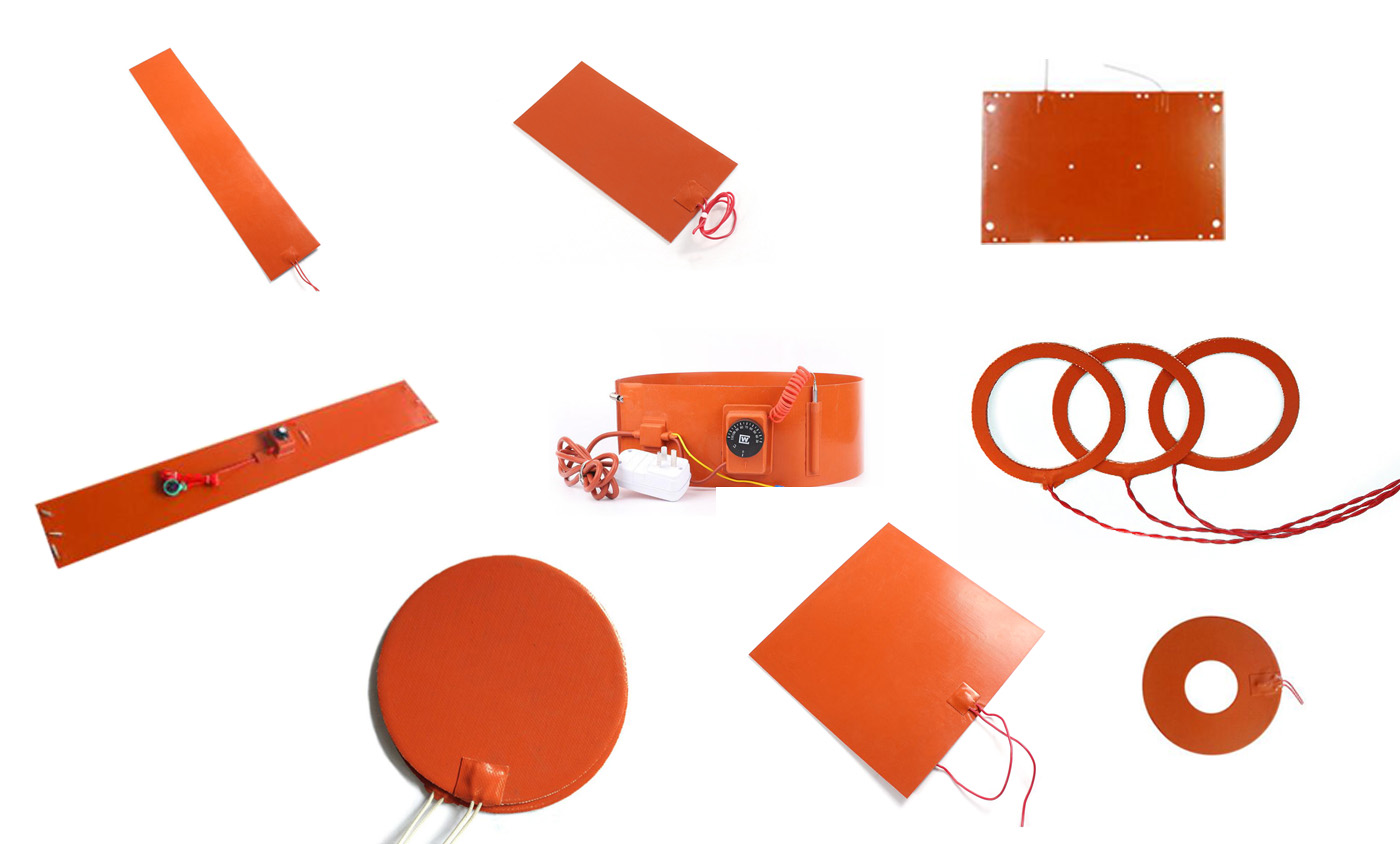
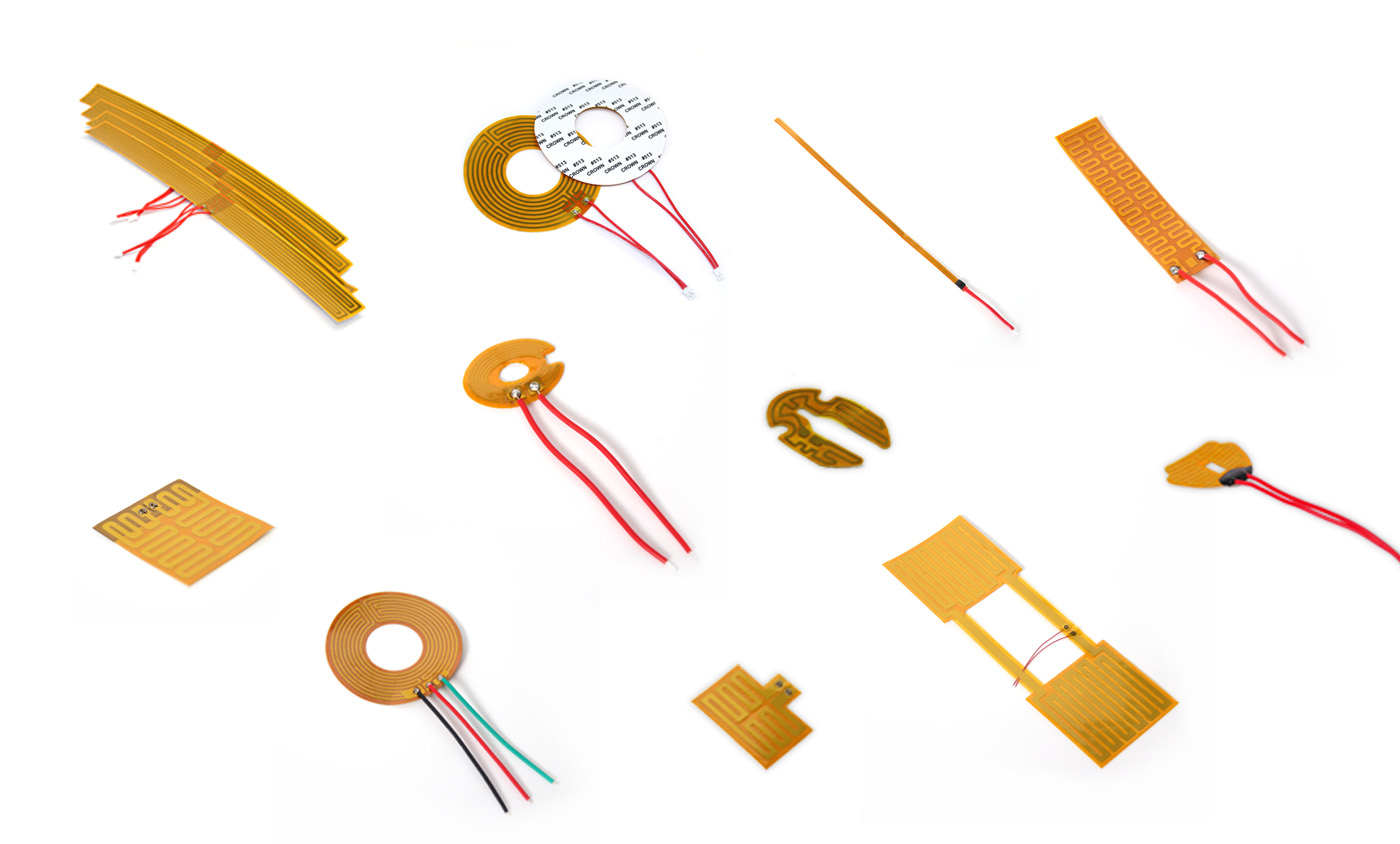
Size and shape of the heater: The size and shape of the heater will affect its power output, and it is important to choose a heater that is appropriately sized for your application.
Material being heated: The material being heated will impact the power output of the heater, and it is important to choose a heater that is compatible with the material in terms of its electrical conductivity, thermal conductivity, and other physical properties.
Electrical power source: The electrical power source will have a direct impact on the performance and efficiency of the heater, and it is important to choose a power source that is appropriate for your application based on voltage, current, and frequency.
By considering these factors, you can determine the power needed for your silicone rubber heater and ensure that it performs to the highest standards in your heating application.


 English
 한국어
한국어 日本語
日本語 Deutsch
 Español
 Italiano
 Français
 Português
 Polski
 Nederlands
 العربية
 Русский
 简体中文
简体中文